Energy infrastructure projects are being developed in a significantly different environment than they were a decade ago. Growing electricity demand, supply chain challenges, workforce constraints, and evolving infrastructure needs are changing how utilities, developers, and customers approach energy projects.
It is important for business customers, commercial and industrial organizations, economic development partners, municipalities, and cooperative utilities to understand why projects require longer periods of time. Customers planning facility expansions, new developments, or long-term growth initiatives should understand the realities affecting today's energy projects and how those realities may impact future planning decisions.
What Is Causing Projects to Take More Time
Projects require more time due to an increase in:
- Growing electricity demand
- Increased competition for equipment and resources
- Supply chain and manufacturing lead times
- Workforce and construction constraints
- Expanding infrastructure requirements
Growing Demand Is Increasing Competition
Across the energy industry, demand for new generation and infrastructure is rising. Manufacturing expansion, economic development projects, transportation electrification, digital infrastructure investments, and other forms of load growth are increasing the demand for energy resources and supporting infrastructure.
Project timelines naturally become longer as more organizations compete for the same equipment, materials, and skilled labor.
Supply Chain Challenges Continue to Impact Development
Many critical components used in energy projects have experienced longer lead times in recent years. Equipment manufacturers are working to meet increasing demand while navigating supply chain disruptions. As a result, utilities and developers must often plan further ahead than ever before.
Delays within the supply chain can slow manufacturing operations by limiting access to the materials and components needed to maintain production timelines.
Workforce and Construction Constraints
Workforce challenges are often accompanied by rising construction costs. Energy projects require skilled workers, engineers, construction teams, and specialized contractors. Materials used to build generation facilities, transmission infrastructure, and other energy projects have become more expensive, while transportation, labor, and equipment costs continue to increase. Together, these factors contribute to the higher costs associated with energy project development.
Infrastructure Must Be Built for the Future
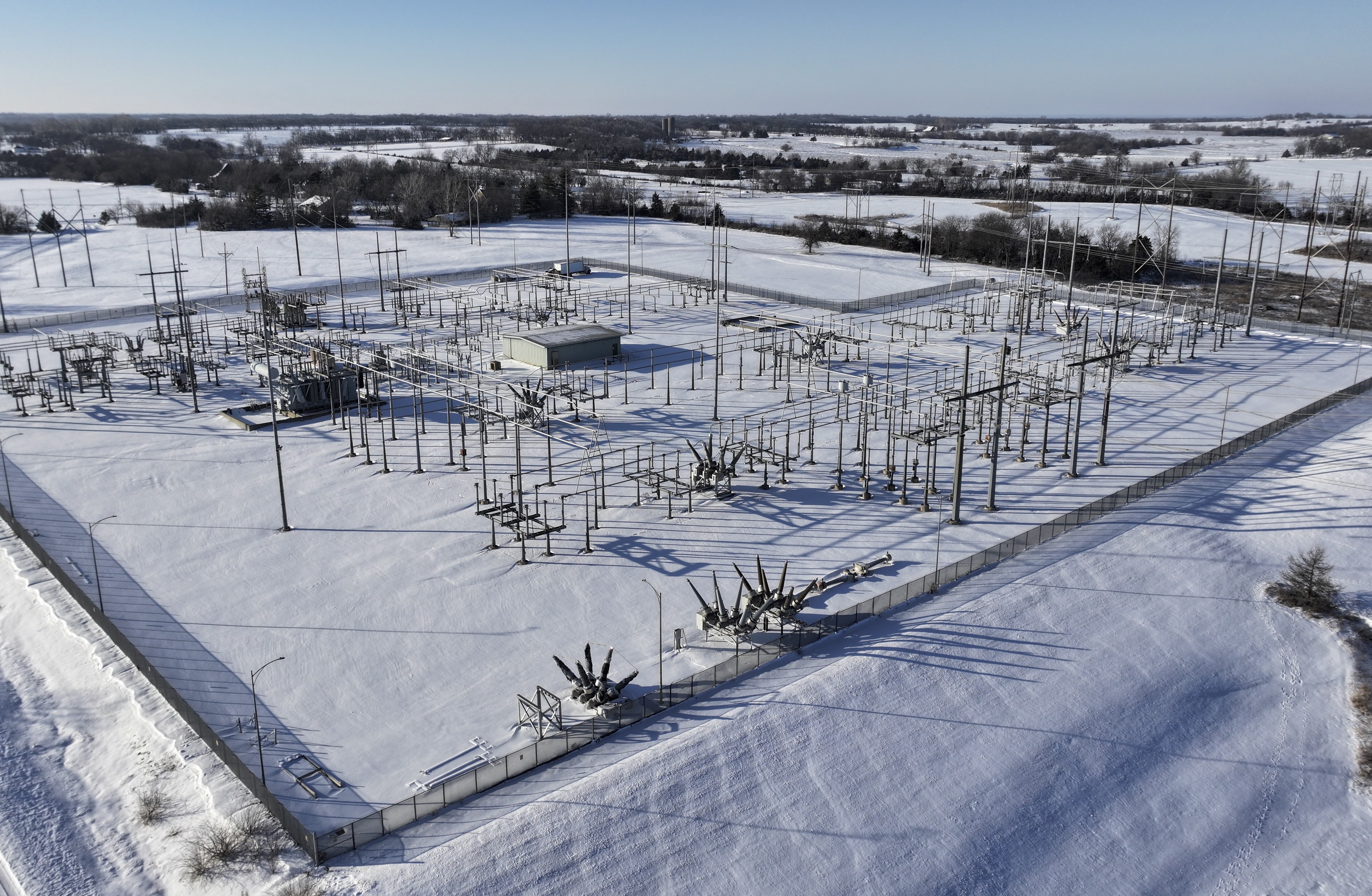
Today's projects often require more than the construction of a generation resource. Utilities may also need to evaluate transmission capacity, substation upgrades, distribution infrastructure, interconnection requirements, and future growth projections. Because these systems work together, project development often involves multiple phases of analysis and coordination before construction can begin.
Utilities are not simply building projects for today's demand. Evaluating future load forecasts, emerging technologies, economic development opportunities, and evolving customer expectations is essential before making major investments.
What This Means for Customers
Longer timelines and higher project costs affect more than utilities—they also impact customers, communities, and economic development efforts.
Customers may see increased emphasis on long-term planning and earlier discussions around capacity and infrastructure needs. Additionally, there may be a greater focus on reliability and resilience for more strategic investment decisions.
For businesses considering expansion or relocation, understanding project timelines early can help avoid delays and support more informed decision-making.
Meeting tomorrow's energy needs requires utilities to navigate longer timelines, higher costs, and evolving infrastructure requirements. Organizations that understand these challenges and begin planning early will be better positioned to support growth, manage risk, and take advantage of future opportunities. Evergy Energy Partners (EEP) can help!
How Evergy Energy Partners Helps
EEP helps customers prepare for future energy needs by providing insight into project timelines, capacity requirements, and long-term planning considerations. EEP works to align growth objectives with available energy resources and develop strategies that balance reliability, affordability, and future demand. Get in touch today!


 Reagan Howard
.jpg)
 Reagan Howard: Aug 31, 2026, 10:30:00 AM
.jpg)