The energy industry continues to face rapid and ongoing change driven by economic pressures, supply chain constraints, electrification, and the transition toward cleaner energy sources. At the same time, rising demand, evolving market structures, and increasingly unpredictable weather patterns are adding new layers of complexity.
If your strategy is to wait for conditions to stabilize before acting, it may be time to rethink your approach. Today’s environment requires planning strategies that are built for change—not stability.
Modern energy management requires a forward-looking approach that embraces uncertainty, mitigates risk, and adapts quickly to shifting conditions.
Traditional vs. Modern Planning Strategies
Traditional strategic planning has long been the foundation for power providers, relying on historical trends and forecasting to guide decision-making. However, today’s environment is far more dynamic, and these static approaches often lack the flexibility needed to respond effectively.
Modern strategic planning takes a different approach—one that continuously evaluates conditions, updates assumptions, and adapts in real time.
Traditional Planning
- Analyze historical trends
- Build detailed, long-term forecasts
- Commit to a single “best” strategy
- Requires stability and predictability
Modern Planning
- Embraces uncertainty and variability
- Operates in a continuous cycle of execution, monitoring, and adjustment
- Uses scenario planning to identify risks and opportunities
- Flexible and adaptive by design
Why Traditional Planning Falls Short
Traditional planning assumes that future conditions will closely resemble the past. However, recent years have shown that disruptions can occur quickly and with significant impact.
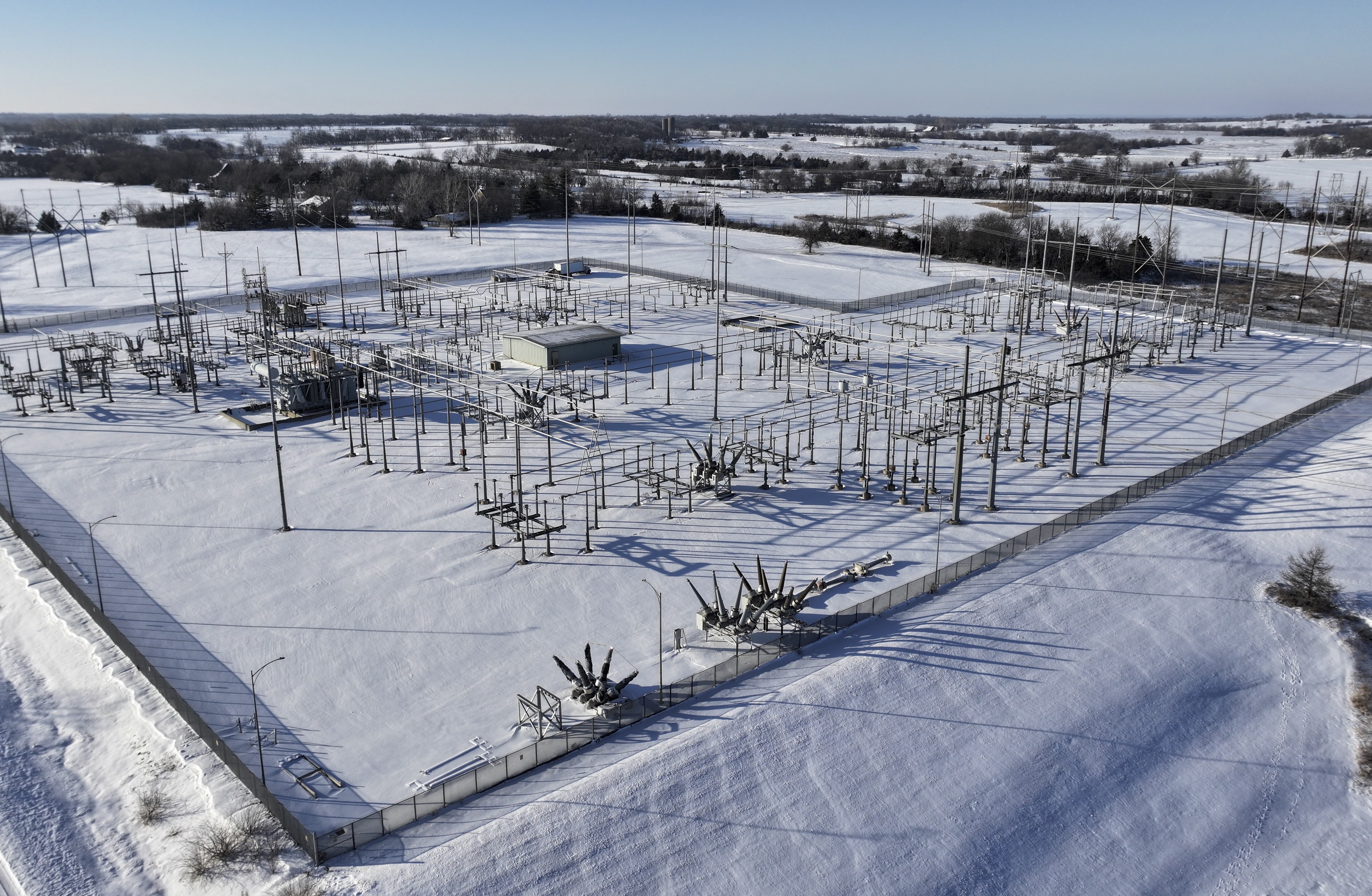
For example, more recent winter storms across the central United States have brought extreme cold, high demand, and operational stress to the grid. These events have tested generation availability, fuel supply chains, and transmission capacity—highlighting the need for stronger preparation and flexibility.
Unlike past assumptions of predictable seasonal demand, today’s grid must be prepared for:
These realities underscore the importance of planning for a wider range of possibilities, rather than relying on a single expected outcome.
Embracing Uncertainty with Scenario Planning
To navigate today’s complexity, scenario planning has become a critical tool for power providers. Here is a step-by-step guide for how scenario planning works:
Step 1: Define Key Uncertainties
Identify factors that could impact operations, such as extreme weather, fuel availability, or renewable variability.
Step 2: Develop Probable Scenarios
Create “if–then” scenarios that outline how conditions could evolve and what impacts may occur.
Step 3: Build Action Plans
Establish clear strategies for maintaining reliability and cost-effectiveness under each scenario.
Step 4: Identify Trigger Points
Determine the signals—such as price changes, demand spikes, or weather alerts—that activate each plan.
Keys to Successful Implementation
Effective scenario planning depends on more than strategy, it requires execution.
Invest in People and Training
Even the best plans won’t succeed without clear ownership. Teams must understand their roles and be prepared to act quickly under changing conditions.
Provide Clear, Actionable Guidance
Flexibility should not create confusion. Each scenario should include well-defined steps, responsibilities, and documentation to guide decision-making during high-pressure situations.
Continuously Monitor and Adjust
Modern planning is not a one-time exercise. It requires continuous evaluation and refinement as conditions evolve.
Looking Ahead
The energy industry is entering a period where uncertainty is not temporary, it is the norm. Rising demand, evolving markets, and more frequent extreme weather events will continue to challenge traditional approaches.
However, this environment also presents an opportunity. Organizations that embrace flexibility, invest in modern planning strategies, and proactively prepare for multiple outcomes will be better positioned to maintain reliability, control costs, and capture new opportunities.
Call to Action
In today’s rapidly changing energy landscape, waiting for certainty is no longer a viable strategy. Success depends on the ability to adapt, respond, and plan for a range of possible futures. By adopting modern planning practices—particularly scenario-based strategies—power providers can navigate uncertainty with greater confidence and resilience.
Learn how Evergy Energy Partners can help you build a more adaptable, forward-looking energy strategy and stay ahead in an increasingly complex market. Connect with our team today.



 Reagan Howard: Aug 31, 2026, 10:30:00 AM
.jpg)
.jpg)